
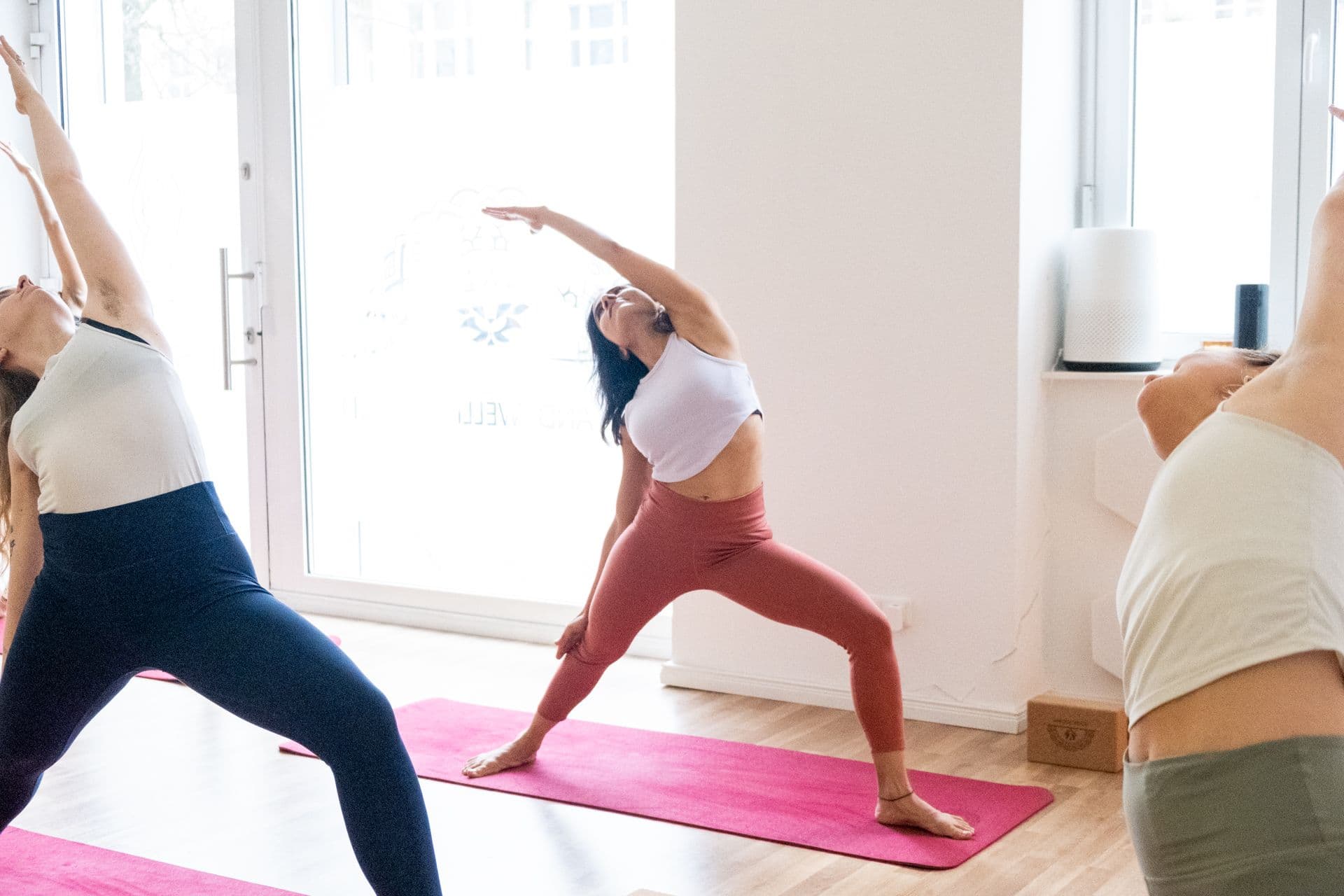
28. Dezember 2025 · YogicEscape Berlin
Yoga für eine bessere Haltung: Schreibtisch-Verspannungen sanft lösen
Wie Yoga deine Haltung korrigiert, Schreibtisch-Verspannungen löst, die Wirbelsäule aufrichtet und Nacken-, Schulter- und Rückenschmerzen auf natürliche Weise lindert.
Schreibtisch-Haltungsprobleme — Rundschultern, vorgeschobener Kopf, nach vorn gekipptes Becken — entstehen, weil langes Sitzen die Hüftbeuger verkürzt, die Brustwirbelsäule versteift und die tiefen Rumpfmuskeln abschaltet, die die Wirbelsäule aufrecht halten. Yoga korrigiert das, indem es Brustöffnung und Hüftbeuger-Dehnung mit Kräftigung des oberen Rückens und der Tiefenmuskulatur kombiniert; Dehnen allein reicht nicht, weil überdehnte Bereiche neben schwachen Haltemuskeln liegen, die dich sofort ins alte Muster zurückziehen. Kurze, häufige Praxis schlägt gelegentliche Intensität: Eine fünfminütige Bewegungspause pro Stunde bringt deiner Wirbelsäule mehr als eine lange Wochenendeinheit.
In der yogischen Sicht ist Haltung nicht bloß die Art, wie der Körper steht, sondern wie Prana durch die Wirbelsäule strömt. Yoga zur Haltungskorrektur geht den tieferen Ungleichgewichten auf den Grund, die das moderne Arbeitsleben schafft – wo der Körper stundenlang nach vorne gebeugt bleibt und der Atem flach wird. Wer Yoga zur Erholung vom Schreibtischjob oder Yoga für Büromenschen sucht, findet hier einen Weg zurück zur natürlichen Aufrichtung.
Anders als isolierte Haltungsübungen verbindet die yogische Praxis Atem, Achtsamkeit und Bewegung. Dieser Ansatz richtet die Wirbelsäule behutsam neu aus, löst gespeicherte Spannung und gibt dem sitzenden wie dem stehenden Körper seine Würde zurück. Bei Yogicescape ist dieses Wissen fest in die Stunden eingewoben, die wir in den Yogastunden in Friedrichshain und den Yogastunden in Prenzlauer Berg anbieten – moderne Körper, getragen von uralten Werkzeugen.
Haltungsprobleme durch den Schreibtischjob verstehen
Wie langes Sitzen deine Wirbelsäule und Gelenke verändert
In den traditionellen Yogaschriften wird die Wirbelsäule als zentraler Kanal der Lebenskraft beschrieben. Doch langes Sitzen biegt diese heilige Säule allmählich aus ihren natürlichen Kurven. Bleibt der Körper stundenlang im Sitzen, kippt das Becken nach hinten, die Lendenwirbelsäule flacht ab und der obere Rücken rundet sich nach vorne. Mit der Zeit verändert dieses Muster die Gelenkabstände und schwächt die Haltemuskulatur.
Für viele wird Yoga gegen schlechte Haltung dadurch zur Notwendigkeit statt zur freien Wahl. Schreibtischarbeit verkürzt die Hüftbeuger, versteift die Brustwirbelsäule und staucht den Nacken. Die Schultern rollen nach innen und erzeugen Spannung, die sich später als Bedarf an Yoga gegen Nacken- und Schulterschmerzen oder anhaltenden Yoga gegen Schmerzen im oberen Rücken bemerkbar macht.
Aus yogischer Perspektive engt dieser Kollaps den Atem ein und trübt die Wahrnehmung. Ohne bewusste Korrektur wird das Zusammensinken zur neuen Normalität des Körpers. Yoga zur Aufrichtung der Wirbelsäule hilft, diese Veränderungen umzukehren, indem es Länge, Raum und Balance in den Gelenken wiederherstellt. Statt Korrektur zu erzwingen, lädt Yoga die Wirbelsäule ein, sich an ihre ursprüngliche Harmonie zu erinnern.
Häufige Haltungsfehler am Schreibtisch und ihre Langzeitfolgen
Einer der häufigsten Haltungsfehler bei Menschen am Schreibtisch ist das unbewusste Zusammensinken im Alltag. Der Kopf wandert nach vorne, der Brustkorb sinkt ein und der untere Rücken gleicht das aus. Anfangs mögen sich diese Gewohnheiten harmlos anfühlen, doch über Jahre hinweg erzeugen sie ein tiefes strukturelles Ungleichgewicht.
Ein weiterer häufiger Fehler ist das starre, aufrechte Sitzen ohne jede Wahrnehmung. Spannung tritt an die Stelle von Aufrichtung und führt zu Erschöpfung statt zu Halt. Im yogischen Verständnis stört Anstrengung ohne Leichtigkeit die Intelligenz des Körpers. Genau deshalb haben viele Büromenschen Schmerzen, obwohl sie „gerade sitzen“.
Solche Muster verlangen früher oder später nach Yoga zur Haltungskorrektur – nicht als Reparatur, sondern als Umlernen. Chronische Fehlhaltung kann Verdauung, Atmung und sogar das emotionale Erleben beeinflussen. Mit der Zeit verändert eine schlechte Haltung, wie wir uns bewegen, stehen und ruhen.
Durch Yoga für eine bessere Haltung tritt Wahrnehmung an die Stelle von Kraftaufwand. Wer diese Fehler versteht, beginnt, sich von unbewussten Gewohnheiten zu bewusster Aufrichtung zu bewegen. Dieser Ansatz spiegelt sich in den Lehren wider, die bei Yogicescape geteilt werden, und klingt auch in Beiträgen wie Yoga-Stile: Ein Einsteigerguide zu den 10 wichtigsten Yoga-Arten an, die betonen, wie wichtig es ist, Stile zu wählen, die Balance fördern statt Überlastung.
Warum Dehnen allein eine schlechte Haltung nicht behebt
Dehnen verschafft vorübergehend Erleichterung, doch Haltung entsteht aus Mustern, nicht allein aus Verspannung. In der yogischen Philosophie entsteht Ungleichgewicht, wenn Kraft, Beweglichkeit und Wahrnehmung aus der Harmonie geraten. Deshalb scheitert Dehnen ohne Stabilität bei der Haltungskorrektur so oft.
Bei Menschen am Schreibtisch gehen überdehnte Bereiche wie der untere Rücken mit einer geschwächten Haltemuskulatur einher. Ohne das tiefe Stützsystem zu aktivieren, kehrt der Körper kurz nach dem Dehnen in die Fehlhaltung zurück. Echte yogische Haltungsübungen verbinden das Öffnen mit dem Erden.
Yoga für Aufrichtung konzentriert sich nicht nur auf das Dehnen, sondern darauf, schlummernde Muskeln zu wecken, die die Wirbelsäule aufrecht halten. Der Atem führt durch diesen Prozess und lehrt den Körper, die Aufrichtung durch jede Alltagsbewegung hindurch zu halten.
Praktiken, die Wahrnehmung und sanfte Kraft verbinden, helfen, das wiederkehrende Zusammensinken zu verhindern. Dieses Prinzip wird auch in beruhigenden Sequenzen wie Ruhe im Chaos finden: Eine 5-minütige Yoga-Praxis bei Überforderung erkundet, wo Haltung und Atem untrennbar sind. Im Yoga wird Korrektur nicht auferlegt. Sie wird erinnert.
Haltungs-Check, bevor du beginnst
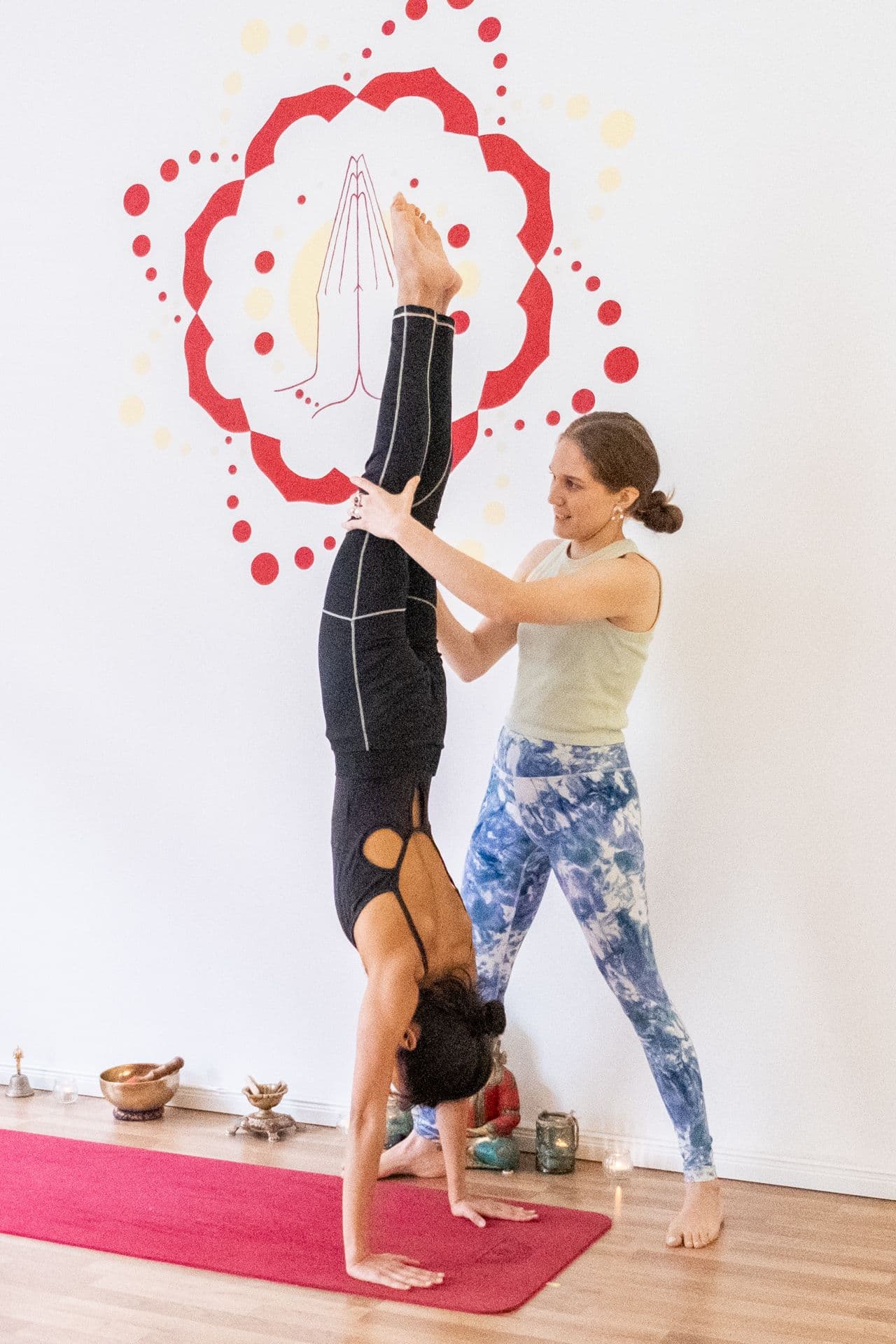
Ein einfacher Haltungs-Check für zu Hause in 5 Minuten
Vor der Korrektur kommt die Beobachtung. Im Yoga ist Wahrnehmung der erste Schritt zur Heilung. Ein einfacher Haltungs-Check lässt den Körper sprechen, bevor man ihn um Veränderung bittet. Dieser einfache Check für zu Hause gelingt in Stille, ohne Spiegel und ohne Urteil.
Stell dich barfuß hin, die Füße hüftbreit auseinander. Lass die Arme natürlich hängen. Schließ die Augen und beobachte, wo sich das Gewicht sammelt. Ist es gleichmäßig verteilt oder neigt es sich nach vorne? Schon das verrät viel über deine gewohnte Haltung. Stell dich nun an eine Wand. Spür, ob Hinterkopf, Schulterblätter und Becken die Wand mühelos berühren – oder mit Widerstand.
Vielen, die Yoga zur Haltungskorrektur suchen, bringt dieser Moment Klarheit. Der Kopf schwebt oft nach vorne, der Brustkorb zieht sich zurück und die untere Wirbelsäule überstreckt oder flacht ab. Diese Muster sind typisch für Körper, die durch langes Sitzen am Schreibtisch geprägt sind.
Bei diesem sanften Check geht es nicht um Perfektion. Es geht ums Erkennen. Wird der Körper klar gesehen, wird Yoga zur Haltungskorrektur zu etwas Bewusstem statt zu einer bloßen Reaktion. Die yogische Weisheit lehrt, dass die Wahrnehmung selbst den Prozess der Neuausrichtung in Gang setzt.
Runde Schultern, nach vorne geschobener Kopf und ein Hohlkreuz erkennen
In der yogischen Anatomie zeigt sich Ungleichgewicht dort, wo die Wahrnehmung verblasst. Runde Schultern, ein nach vorne geschobener Kopf und ein nach vorne gekipptes Becken gehören zu den häufigsten Verformungen moderner Körper. Jede davon erzählt von langem Sitzen und unbewusster Bewegung.
Runde Schultern entstehen, wenn der Brustkorb nach innen einsinkt und der obere Rücken überarbeitet. Dieses Muster führt Übende oft zu Yoga gegen Schmerzen im oberen Rücken und einer eingeschränkten Atmung. Ein nach vorne geschobener Kopf belastet den Nacken und staucht die Halswirbelgelenke – so entsteht der Bedarf an Yoga gegen Nacken- und Schulterschmerzen.
Ein nach vorne gekipptes Becken bleibt oft unbemerkt, schiebt das Becken nach vorne und übertreibt die Krümmung der unteren Wirbelsäule. Dieses Ungleichgewicht stört die Aufrichtung der Wirbelsäule und schwächt die tiefe Haltemuskulatur. Zusammen ziehen diese Muster den Körper aus seiner natürlichen vertikalen Linie.
Durch Yoga für eine bessere Haltung werden diese Fehlstellungen sanft angegangen, nicht erzwungen. Korrigierende Yogahaltungen laden die Schultern ein, sich nach hinten zu lösen, den Kopf, über das Herz zurückzukehren, und das Becken, eine neutrale Erdung zu finden. Dieser Prozess steht im Zentrum von Yoga für Aufrichtung, wo Balance durch Wahrnehmung entsteht statt durch Kontrolle.
Wann Schreibtisch-Schmerzen eine Haltungssache sind – und wann ein medizinisches Thema
Yoga lehrt Unterscheidungsvermögen. Nicht jedes Unbehagen verlangt nach kraftvoller Korrektur, und nicht jeder Schmerz hat allein mit der Haltung zu tun. Diesen Unterschied zu verstehen ist entscheidend für eine sichere und nachhaltige Praxis.
Haltungsbedingtes Unbehagen verändert sich oft mit der Bewegung. Der Schmerz lässt nach, wenn sich die Aufrichtung verbessert, und kehrt mit langem Sitzen zurück. Das ist häufig bei Menschen, die Yoga für Büromenschen oder Yoga gegen schlechte Haltung erkunden. Solche Empfindungen sprechen gut auf achtsame Praxis und atemgeführte Korrektur an.
Medizinische Probleme dagegen können sich als scharfer, anhaltender oder zunehmender Schmerz zeigen, unabhängig von der Haltung. Taubheit, Kribbeln oder ausstrahlendes Unbehagen sollte man nicht ignorieren. In der yogischen Tradition leitet Ahimsa – das Nicht-Verletzen – jedes Handeln. Weises Zuhören beugt Verletzungen vor.
Yoga zur Haltungskorrektur unterstützt die Heilung, ersetzt aber keine medizinische Versorgung. Bei Yogicescape wird diese Balance geachtet, damit Übende sich der Aufrichtung mit Geduld und Respekt vor den Signalen des Körpers nähern. Yoga ist ein Weg der Intelligenz, nicht des Durchhaltens.
Atem und Wahrnehmung für einen Haltungs-Reset
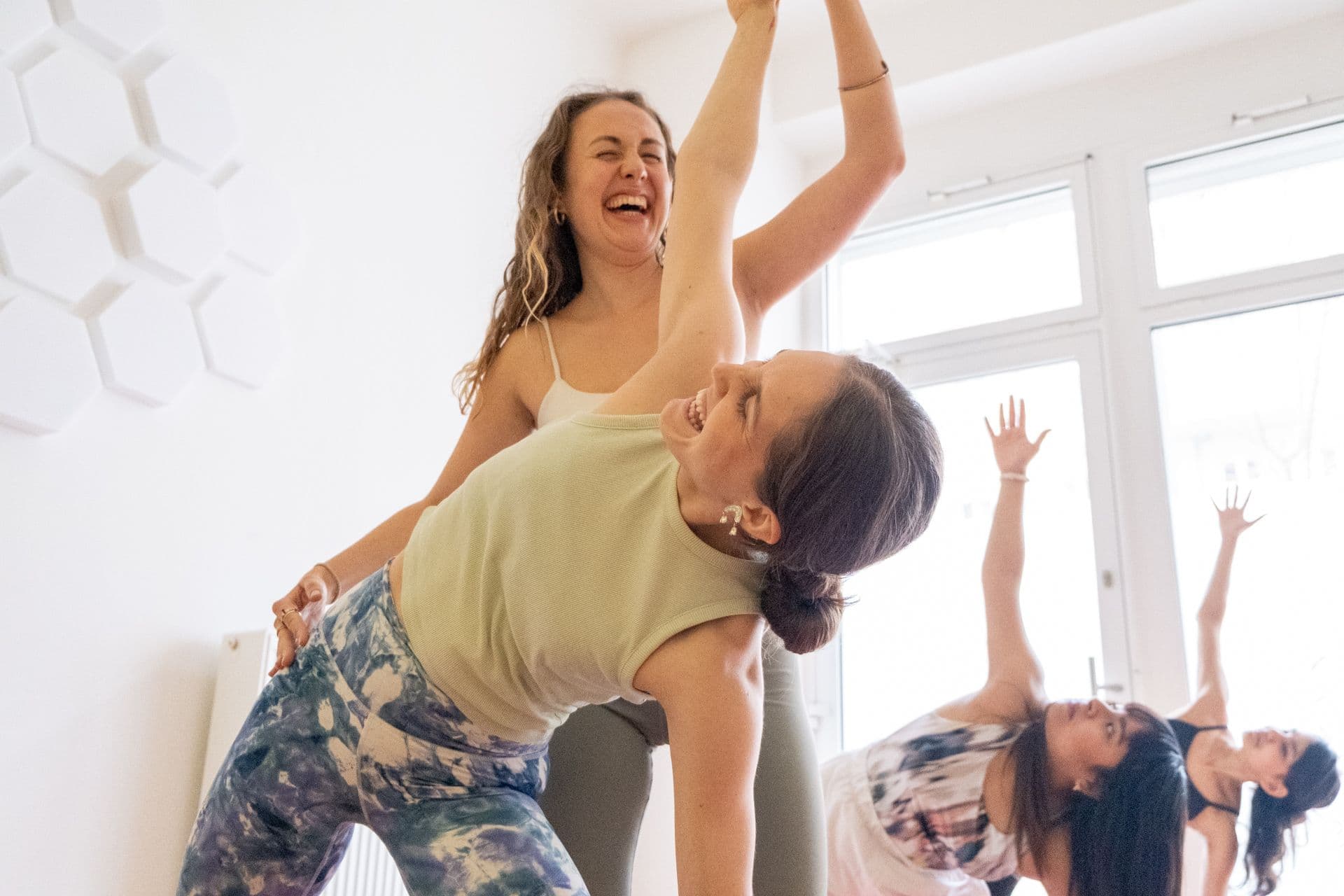
Wie flaches Atmen eine schlechte Haltung verstärkt
Der Atem formt den Körper ebenso, wie der Körper den Atem formt. Flaches Atmen, verbreitet bei Menschen am Schreibtisch, verstärkt auf subtile Weise eine schlechte Haltung. Bleibt der Atem im Brustraum gefangen, verliert die Wirbelsäule ihre natürliche Leichtigkeit.
Im yogischen Verständnis weitet der Atem den inneren Raum des Körpers. Ohne diese Weitung sinkt der Brustkorb ein, die Schultern runden sich und der Nacken trägt unnötiges Gewicht. Dieses Muster verfestigt die Gewohnheit des Zusammensinkens und schwächt den Halt der Wirbelsäule.
Indem das bewusste Atmen wiederhergestellt wird, beginnt Yoga zur Aufrichtung der Wirbelsäule von innen. Deshalb geht in der traditionellen Praxis die Atemwahrnehmung der Bewegung voraus. Die Wirbelsäule richtet sich nicht durch Anstrengung auf, sondern durch ein weites Einatmen.
Yoga-Atemtechniken, die die Aufrichtung der Wirbelsäule unterstützen
Bestimmte Pranayama-Techniken laden sanft zu einer aufrechten Haltung ein. Dirgha Pranayama, der Dreiteilige Atem, lehrt den Körper, sich vom Bauch bis zu den Schlüsselbeinen zu weiten und so die Wirbelsäule auf natürliche Weise aufzurichten.
Der Ujjayi-Atem fügt einen sanften Widerstand hinzu und schafft Länge und Stabilität entlang der Wirbelsäule. Diese Praktiken sind grundlegend für yogische Haltungsübungen, weil sie inneren Halt aufbauen statt äußerer Spannung.
Atemgeführte Praxis steht auch im Zentrum beruhigender Sequenzen wie 9 Yoga-Übungen für sofortigen Stressabbau, wo Haltung und die Balance des Nervensystems gemeinsam entstehen. Durch den Atem wird Aufrichtung mühelos.
Körperbewusstsein aufbauen, um Zusammensinken früh zu bemerken
Wahrnehmung verwandelt Gewohnheit. Im Yoga wird der Körper zu einem Feld der Beobachtung. Wenn du den Moment bemerkst, in dem das Zusammensinken beginnt, geschieht Korrektur ganz von selbst.
Diese Wahrnehmung entwickelt sich durch regelmäßige Praxis von Yoga zur Haltungskorrektur. Mit der Zeit richtet sich die Wirbelsäule beim Sitzen, Stehen und Gehen selbst aus. Das ist die stille Kraft des Yoga – subtil, beständig und nachhaltig.
Schritt für Schritt: Yoga für die Aufrichtung des Oberkörpers
Nacken- und obere Rückenspannung vom Bildschirm lösen
In der yogischen Weisheit ist der Nacken die Brücke zwischen Gedanke und Handlung. Lange Bildschirmzeit belastet diese Brücke, zieht den Kopf nach vorne und verspannt die Muskeln, die ihn tragen. Mit der Zeit zeigt sich diese Spannung als Steifheit, Kopfschmerzen und anhaltendes Unbehagen, das nach Yoga gegen Nacken- und Schulterschmerzen verlangt.
Moderne Schreibtischgewohnheiten stauchen die obere Wirbelsäule und engen den Atem ein. Die Schultern heben sich unmerklich, der Brustkorb sinkt nach innen und der obere Rücken verliert seine natürliche Krümmung. Dieses Ungleichgewicht ist eine häufige Ursache für Yoga gegen Schmerzen im oberen Rücken bei Büromenschen.
Durch Yoga für eine bessere Haltung wird Spannung nicht mit Kraft gelöst, sondern indem Länge und Weichheit zurückkehren. Sanfte, mit dem Atem abgestimmte Nackenbewegungen laden die Halswirbelsäule ein, an ihren neutralen Platz zurückzukehren. Mit wachsender Wahrnehmung lernt der obere Rücken, den Kopf ohne Anstrengung zu tragen.
Dieser Prozess ist entscheidend für die Erholung vom Schreibtischjob durch Yoga. Wenn der Nacken frei über der Wirbelsäule schwebt und der obere Rücken seine Beweglichkeit zurückgewinnt, verbessert sich die Haltung von selbst. Yogische Aufrichtung wird nicht gehalten; sie wird durch Leichtigkeit und Präsenz getragen.
Yogahaltungen, die Brust und Schultern öffnen
Ein verschlossener Brustkorb spiegelt sowohl körperliche als auch energetische Verengung wider. In Körpern, die ans Schreibtischsitzen gebunden sind, rollen die Schultern nach vorne, verkürzen die Vorderseite und schwächen den Halt. Yoga für eine bessere Haltung beginnt damit, diesen Raum sanft wieder zu öffnen.
Brustöffnende Haltungen laden zur Weitung ein, ganz ohne Druck. Während die Schlüsselbeine breiter werden, vertieft sich der Atem und die Wirbelsäule richtet sich mühelos auf. Diese korrigierenden Yogahaltungen wirken dem gewohnten Runden entgegen und bringen Balance in den Oberkörper zurück.
Im Yoga für Aufrichtung liegt der Fokus auf gleichmäßiger Verteilung statt auf Tiefe. Die Schultern lösen sich nach unten, das Brustbein hebt sich unmerklich und der Nacken bleibt frei. Diese Harmonie löst Muster des Zusammensinkens und fördert eine aufrechte Präsenz.
Praktiken, die von traditionellen Lehren inspiriert sind und in Beiträgen wie Yoga-Stile: Ein Einsteigerguide zu den 10 wichtigsten Yoga-Arten erkundet werden, erinnern uns daran, dass Haltung ebenso sehr von der Absicht wie von der Bewegung geformt wird. Die Brust zu öffnen heißt nicht, nach vorne zu drücken, sondern Raum zurückkehren zu lassen.
Den oberen Rücken für eine aufrechte Haltung stärken
Wahre Haltung wird von einer Kraft getragen, die in der Wahrnehmung wurzelt. Der obere Rücken, oft überdehnt und zu wenig aktiviert, spielt eine entscheidende Rolle, um den Körper aufrecht zu halten. Ohne seinen Halt sinken die Schultern ein und der Nacken gleicht das aus.
Yogische Haltungsübungen wecken diese stabilisierenden Muskeln behutsam. Statt zu verkrampfen, lädt Yoga zu einer intelligenten Aktivierung ein – Halt ohne Starrheit. Diese Balance steht im Zentrum von Yoga zur Haltungskorrektur und einer langfristig gesunden Wirbelsäule.
Einen kräftigen oberen Rücken unterstützt auch die Aufrichtung der Wirbelsäule, denn er verankert die Schultern und lässt den Brustkorb mühelos offen bleiben. Der Atem führt durch diesen Prozess und sorgt dafür, dass Anstrengung nicht an die Stelle von Wahrnehmung tritt.
Für Übende bei Yogicescape ist dieser Ansatz fest in die Stunden eingewoben, die wir in den Yogastunden in Friedrichshain und den Yogastunden in Prenzlauer Berg anbieten, wo Aufrichtung mit Geduld kultiviert wird. Eine aufrechte Haltung wird im Yoga nicht von außen auferlegt. Sie wächst aus innerer Stabilität.
Schritt für Schritt: Yoga für Rumpf- und Beckenstabilität
Warum ein schwacher Rumpf die Sitzhaltung verschlechtert
Im Yoga ist der Rumpf keine oberflächliche Struktur. Er ist das stille Zentrum, aus dem die Haltung entsteht. Schwächt sich dieser innere Halt, sucht die Wirbelsäule anderswo nach Stabilität – oft sinkt sie ein oder gleicht über. Bei Körpern, die ans Schreibtischsitzen gebunden sind, ist dieses Ungleichgewicht häufig.
Langes Sitzen schaltet die tiefe Bauchmuskulatur ab, die die Wirbelsäule aufrecht hält. Während die Wahrnehmung verblasst, trägt der untere Rücken eine zu große Last und der Brustkorb sinkt nach vorne. Dieses Muster verfestigt eine schlechte Haltung und trägt zum anhaltenden Unbehagen bei Büromenschen bei.
Yoga für eine bessere Haltung stellt den Halt des Rumpfes nicht durch Anstrengung wieder her, sondern durch eine subtile Aktivierung. Wenn der innere Körper erwacht, richtet sich die Wirbelsäule von selbst auf. Genau deshalb scheitern Haltungsübungen ohne Wahrnehmung so oft. Wahrer Halt muss gespürt werden, nicht erzwungen.
Im Yoga für Aufrichtung erlaubt die Rumpfstabilität dem Oberkörper, sich zu entspannen. Der Atem fließt frei, das Becken findet seine Balance und die Haltung wird mühelos. Diese innere Kraft ist für alle entscheidend, die durch Yoga zur Erholung vom Schreibtischjob anhaltende Erleichterung suchen.
Yogahaltungen, die ein Hohlkreuz korrigieren
Ein nach vorne gekipptes Becken stört still die Harmonie der Wirbelsäule. Das Becken kippt nach vorne, der untere Rücken wölbt sich übermäßig und der Bauch gibt seinen Halt auf. Diese Fehlstellung bleibt oft unbemerkt und beeinflusst die Haltung doch zutiefst.
Durch yogische Haltungsübungen wird das Becken sanft zurück in die Neutralität geführt. Haltungen, die die Vorderseite der Hüften verlängern und zugleich die tiefe Rumpfmuskulatur wecken, laden zur Balance ein, ganz ohne Zwang. Im Yoga entsteht Korrektur aus Zusammenspiel, nicht aus Kontrolle.
Diese korrigierenden Yogahaltungen stellen die Verbindung zwischen Atem und Bewegung wieder her. Während das Becken sich setzt, gewinnt die Wirbelsäule ihre natürlichen Kurven zurück und der Oberkörper wird weich. Das unterstützt die Aufrichtung der Wirbelsäule und verringert die Belastung im ganzen Körper.
Diese feine Arbeit ist für alle entscheidend, die trotz Dehnen anhaltende Spannung erleben. Wie schon erwähnt, korrigiert Dehnen allein die Haltung nicht. Stabilität muss die Öffnung begleiten. Die yogische Weisheit lehrt: Ist das Fundament im Gleichgewicht, richtet sich die Struktur darüber von selbst aus.
Die tiefe Rumpfmuskulatur für täglichen Haltungs-Halt aktivieren
Yoga endet nicht, wenn die Haltung endet. Der Sinn der Praxis ist es, die Wahrnehmung in den Alltag zu tragen. Die tiefe Rumpfmuskulatur zu aktivieren lehrt den Körper, die Aufrichtung beim Sitzen, Stehen und Gehen zu halten.
Diese Aktivierung ist sanft und ununterbrochen. Der Atem stützt die Wirbelsäule von innen und verhindert das Einsinken, ohne starr zu werden. Mit der Zeit wird Yoga für eine bessere Haltung zu einer gelebten Erfahrung statt zu einer Praxis, die auf die Matte beschränkt bleibt.
Diese Wahrnehmung verbindet sich wunderbar mit beruhigenden Sequenzen wie Ruhe im Chaos finden: Eine 5-minütige Yoga-Praxis bei Überforderung, wo subtile Aktivierung an die Stelle von Spannung tritt. Im Yoga ist Kraft still, und Haltung wird zum Spiegel innerer Festigkeit.
Schritt für Schritt: Yoga für die Balance der unteren Körperhälfte
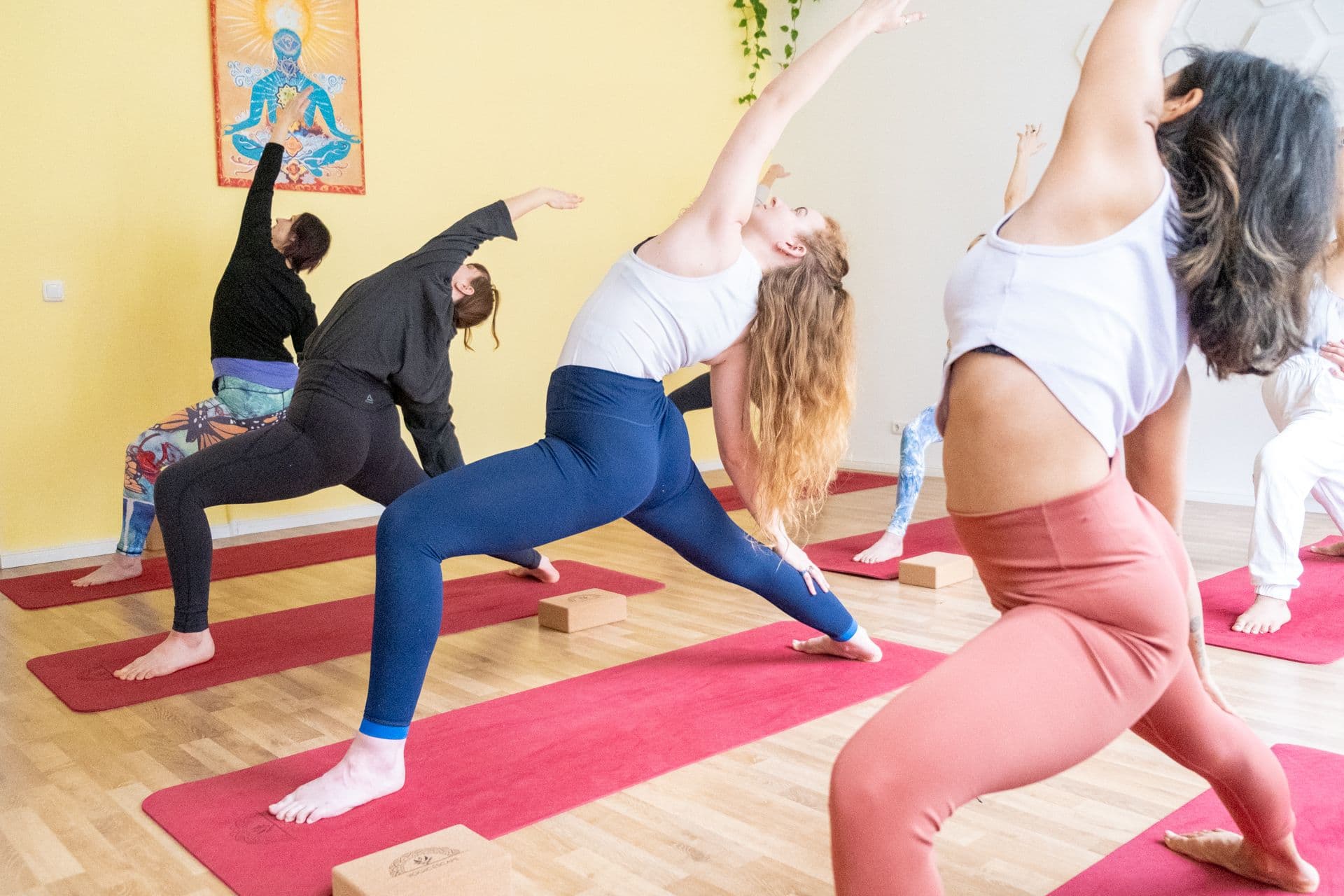
Verkürzte Hüftbeuger und ihre Rolle bei Haltungsproblemen
In der yogischen Anatomie sind die Hüften Tore der Bewegung und Stabilität. Versteifen sie, muss die Wirbelsäule ausgleichen. Langes Sitzen verkürzt die Hüftbeuger, zieht das Becken nach vorne und stört die natürliche Aufrichtung. Dieses Ungleichgewicht befeuert still die Muster schlechter Haltung, die man bei Körpern am Schreibtisch sieht.
Verkürzte Hüften ziehen die untere Wirbelsäule in übertriebene Kurven und schwächen den Halt darüber. Mit der Zeit entsteht eine Belastung, die nach oben wandert und Yoga gegen Schmerzen im oberen Rücken und sogar Nackenbeschwerden mitbestimmt. Viele, die Yoga zur Erholung vom Schreibtischjob suchen, entdecken, dass die Wurzel nicht allein in der Wirbelsäule liegt, sondern in den Hüften.
Yoga für eine bessere Haltung geht das behutsam an. Statt Öffnung zu erzwingen, lädt die yogische Praxis die Hüften ein, durch Atem und Wahrnehmung weich zu werden. Wenn die untere Körperhälfte loslässt, antwortet die Wirbelsäule ganz von selbst.
Diese Beziehung zwischen Hüften und Haltung ist grundlegend für yogische Haltungsübungen, in denen Balance vom Boden aufwärts wiederhergestellt wird. Im Yoga beginnt Aufrichtung an der Basis.
Yogahaltungen, die Hüften und Beinrückseiten öffnen
Die Beinrückseiten und Hüften tragen die Erinnerung an die langen Stunden im Sitzen. Ohne achtsames Loslassen schränken sie die Bewegung ein und verzerren die Haltung. Yoga für eine bessere Haltung muss diese Bereiche deshalb mit Sorgfalt und Geduld einbeziehen.
Traditionelle korrigierende Yogahaltungen schenken Länge ohne Überlastung. Während die Rückseite der Beine weich wird, findet das Becken seine Balance und die Wirbelsäule richtet sich auf. Der Atem führt jede Bewegung und sorgt dafür, dass das Loslassen allmählich geschieht.
Dieser Ansatz spiegelt die Prinzipien des Yoga für Aufrichtung wider, in dem jeder Teil des Körpers das Ganze stützt. Wenn Hüften und Beinrückseiten sich öffnen, werden Sitzen und Stehen mühelos statt erzwungen.
Solche Praktiken ergänzen restaurative Sequenzen wie 9 Yoga-Übungen für sofortigen Stressabbau und erinnern Übende daran, dass Haltung und Entspannung tief miteinander verbunden sind. Im Yoga ist Leichtigkeit nicht von Struktur getrennt.
Stabilität durch Beine und Füße schaffen
Beine und Füße bilden das Fundament der Haltung. Ohne ihre Erdung kann die Wirbelsäule nicht aufrecht bleiben. Die yogische Tradition lehrt, dass Stabilität dort beginnt, wo der Körper die Erde berührt.
Durch achtsames Stehen und eine gleichmäßige Gewichtsverteilung weckt Yoga zur Haltungskorrektur dieses Fundament. Die Beine stützen, ohne durchzudrücken, und die Füße wurzeln gleichmäßig. Diese Erdung trägt die Aufrichtung der Wirbelsäule durch jede Alltagsbewegung.
Für Büromenschen verändert diese Wahrnehmung, wie der Körper sich auch jenseits des Sitzens trägt. Stehen, Gehen und jeder Übergang werden zu Gelegenheiten für Aufrichtung statt für Belastung. So reicht Yoga in das Leben selbst hinein.
Schreibtischfreundliche Mikro-Yoga-Pausen
5-minütige Yoga-Pausen für deinen Schreibtisch
Kurze, achtsame Pausen stellen während langer Arbeitsstunden die Balance wieder her. Diese schreibtischfreundlichen Mikro-Yoga-Pausen helfen, der Gewohnheit des Zusammensinkens entgegenzuwirken, ganz ohne Unterbrechung.
Schon fünf Minuten bewusster Bewegung und Atmung können die Haltung neu ausrichten. Sanfte Bewegungen der Wirbelsäule, Schulterkreisen und sitzende Ausrichtungsübungen unterstützen Büromenschen, die über den Tag verteilt Erleichterung suchen.
Solche Pausen stehen im Einklang mit den yogischen Prinzipien von Maß und Wahrnehmung. Haltung verbessert sich nicht durch Intensität, sondern durch Beständigkeit.
Sitzende Yogahaltungen für einen Haltungs-Reset während der Arbeit
Sitzende Praktiken schulen die Wahrnehmung, ohne den Arbeitsplatz zu verlassen. Durch subtile Aktivierung und Atem gewinnt die Wirbelsäule ihre natürliche Aufrichtung zurück. Diese Praktiken vertiefen die Haltungsarbeit in Echtzeit.
Mit der Zeit lernt der Körper, sich selbst zu korrigieren. Das Zusammensinken fällt früher auf, und die Aufrichtung kehrt mühelos zurück. Das ist die stille Kraft des Yoga, eingewoben in den Alltag.
Wie oft sich Menschen am Schreibtisch bewegen und dehnen sollten
Im Yoga zählt der Rhythmus. Menschen am Schreibtisch profitieren von regelmäßiger, sanfter Bewegung statt von gelegentlicher Intensität. Häufige Pausen unterstützen Yoga für eine bessere Haltung, indem sie das Einsinken verhindern, bevor es sich festsetzt.
Kurze, achtsame Bewegung jede Stunde nährt die Gesundheit der Wirbelsäule und die Wahrnehmung. Yoga lehrt, dass beständige Aufmerksamkeit, nicht Kraft, dauerhafte Veränderung bringt.
Eine tägliche Yoga-Routine zur Haltungskorrektur aufbauen
Morgen-Yoga, um die Haltung zu aktivieren
Der Morgen ist die Zeit des Erwachens, in der der Körper am empfänglichsten für sanfte Führung ist. Eine achtsame Morgenpraxis unterstützt Yoga für eine bessere Haltung, indem sie die Aufrichtung verankert, bevor der Tag beginnt. Statt auf Intensität setzt Yoga in den frühen Stunden auf Wahrnehmung und Atem.
Langsame Bewegungen wecken die Wirbelsäule, schenken Länge und bereiten den Körper auf das Sitzen und Stehen vor. Dieser Ansatz hilft besonders allen, die Yoga zur Erholung vom Schreibtischjob praktizieren, denn er verhindert das gewohnte Einsinken im Lauf des Tages.
Durch yogische Haltungsübungen lernt der Körper, sich mühelos aufrecht zu tragen. Die Morgenpraxis schafft eine stille Erinnerung an Aufrichtung, die durch den ganzen Tag hindurch zurückkehrt. Im Yoga ist Vorbereitung Schutz.
Abend-Yoga, um einen Tag voller Sitzen aufzulösen
Die Abendpraxis ist die Zeit des Loslassens. Nach langen Stunden im Sitzen trägt der Körper eine feine Spannung, die Haltung und Wahrnehmung gleichermaßen trübt. Abend-Yoga löst diese Muster sanft und stellt Balance ohne Zwang wieder her.
Diese Praxis unterstützt bei schlechter Haltung, indem sie Hüften, Wirbelsäule und Schultern von der angesammelten Last des Tages befreit. Atemgeführte Bewegung beruhigt das Nervensystem und stärkt zugleich die Aufrichtung der Wirbelsäule.
In der yogischen Tradition schließt der Tag, wie er begann – mit Wahrnehmung. Die Abendpraxis verhindert, dass sich Haltungsgewohnheiten tiefer einnisten, und bereitet den Körper auf die Ruhe vor.
Ein Wochenplan für Menschen am Schreibtisch
Beständigkeit ist das Herz jeder Veränderung. Ein einfacher Wochenrhythmus unterstützt Yoga zur Haltungskorrektur ohne Überlastung. Kurze tägliche Einheiten in Kombination mit längeren Wocheneinheiten lassen einen stetigen Fortschritt wachsen.
Dieser ausgewogene Ansatz spiegelt die yogischen Prinzipien der Nachhaltigkeit wider. Yoga lehrt Geduld und erinnert uns daran, dass Haltung sich allmählich entwickelt, nicht über Nacht.
Haltungsgewohnheiten jenseits der Yogamatte
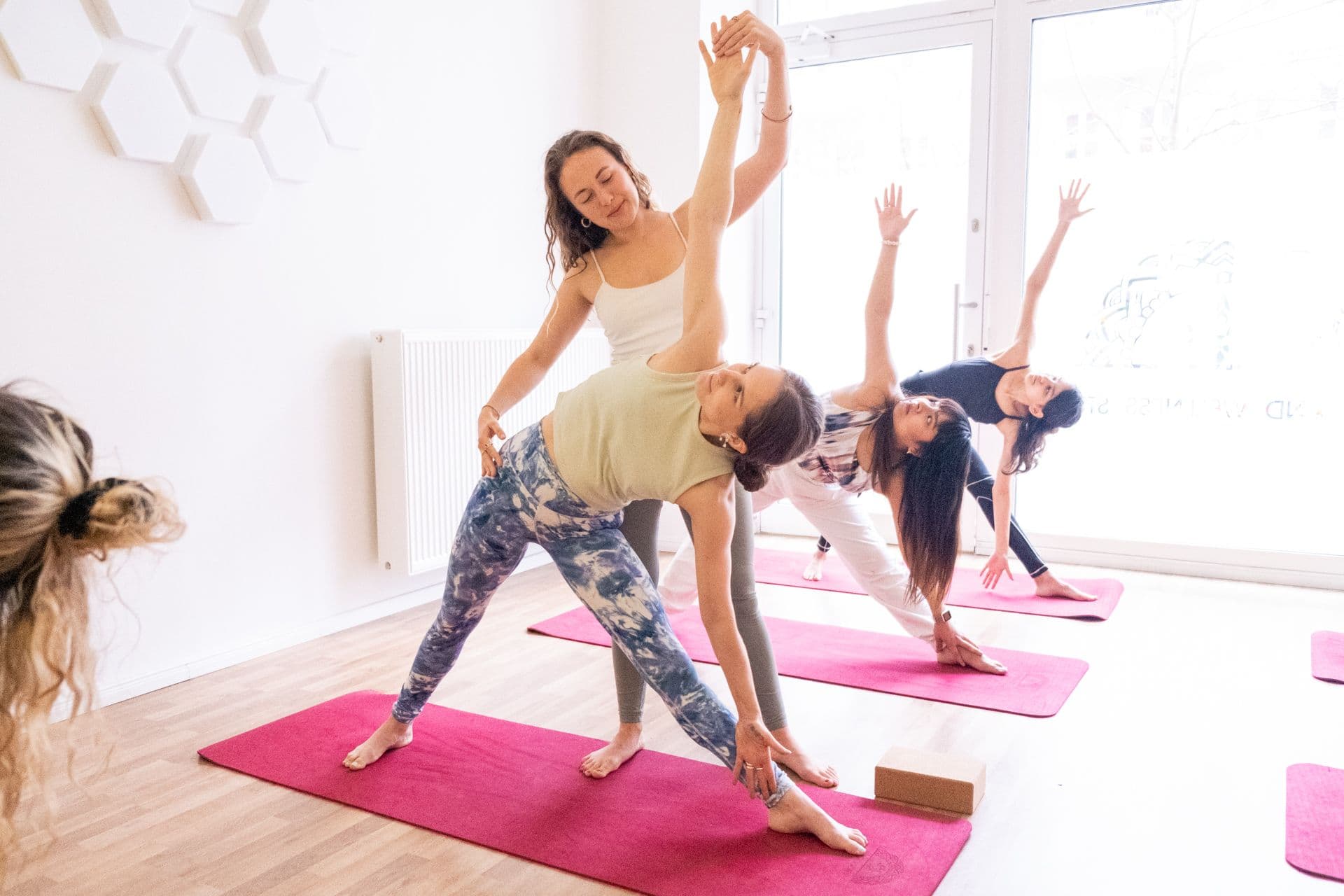
Ein ergonomischer Schreibtisch, der deine Yogapraxis unterstützt
Yoga reicht über die formale Praxis hinaus bis in die Art, wie wir unsere Umgebung gestalten. Ein gut eingerichteter Schreibtisch ergänzt Yoga für eine bessere Haltung, verringert die Belastung und festigt die Aufrichtung, die du auf der Matte gelernt hast.
Schon kleine Anpassungen laden zu aufrechtem Sitzen ein, ohne Starrheit. Wenn die Umgebung die Wahrnehmung unterstützt, verbessert sich die Haltung von selbst.
Sitzen, Stehen und Gehen mit besserer Aufrichtung
Haltung ist eine lebendige Praxis. Jeder Übergang bietet eine Gelegenheit zur Aufrichtung. Durch die im Yoga geschulte Wahrnehmung werden Sitzen, Stehen und Gehen zu Ausdrucksformen von Balance statt zu bloßer Gewohnheit.
Diese Integration ist das Wesen des Yoga für Aufrichtung, in dem Haltung durch Achtsamkeit getragen wird.
Kleine tägliche Gewohnheiten, die einen Rückfall verhindern
Kleine Handlungen formen dauerhafte Veränderung. Regelmäßige Pausen, bewusstes Atmen und sanfte Selbst-Checks verhindern, dass alte Muster zurückkehren. Yoga für eine bessere Haltung gedeiht durch Beständigkeit, nicht durch Anstrengung.
Fortschritt verfolgen und dranbleiben
Zeichen, dass sich deine Haltung verbessert
Verbesserung zeigt sich auf subtile Weise. Der Atem vertieft sich, das Unbehagen lässt nach und die Wahrnehmung schärft sich. Diese Zeichen deuten darauf hin, dass die Haltungsarbeit im Einklang mit dem Körper wirkt.
Wie lange Haltungskorrektur mit Yoga dauert
Yoga achtet das natürliche Tempo. Haltungsveränderung entfaltet sich allmählich, während die Wahrnehmung tiefer wird. Mit regelmäßiger Praxis lernt der Körper Balance und Leichtigkeit neu.
Wann anpassen, fortschreiten oder professionelle Begleitung suchen
Yoga ehrt das Unterscheidungsvermögen. Anpassung ist Weisheit, keine Begrenzung. Wenn Begleitung nötig ist, steht das Suchen nach Unterstützung im Einklang mit den yogischen Prinzipien der Fürsorge.
Bei Yogicescape werden haltungsorientierte Praktiken in diesem Geist angeboten und begleiten Übende durch Yogastunden in Friedrichshain und Yogastunden in Prenzlauer Berg, wo uralte Weisheit auf das moderne Leben trifft.
Abschließende Betrachtung
Yoga für eine bessere Haltung ist eine Rückkehr zur natürlichen Aufrichtung. Durch Atem, Wahrnehmung und Geduld erinnert sich der Körper daran, mit Würde und Leichtigkeit zu stehen. Das ist keine Korrektur, sondern ein Sich-Erinnern an das wahre Geschenk des Yoga.
Was die Forschung zeigt
Ein systematisches Cochrane-Review (Wieland et al., 2017) fand Evidenz moderater Qualität dafür, dass Yoga die Rückenfunktion bei chronischen unspezifischen Kreuzschmerzen verbessert.
FAQ: Yoga bei Schreibtisch-Haltung
Kann Yoga Rundschultern und einen vorgeschobenen Kopf korrigieren?
Ja. Brustöffnende Haltungen verlängern die verkürzte Körpervorderseite, während ein gekräftigter oberer Rücken den Schultern Halt gibt — die Korrektur entsteht aus der Kombination von Öffnung und Kräftigung, nie aus Dehnen allein.
Wie lange dauert die Haltungskorrektur mit Yoga?
Die Veränderung kommt schrittweise, nicht über Nacht. Fortschritt zeigt sich an tieferer Atmung, weniger Beschwerden am Abend und daran, dass du dich früher beim Einsinken ertappst. Am besten wirken kurze tägliche Einheiten plus ein bis zwei längere pro Woche.
Was kann ich direkt am Schreibtisch tun?
Fünfminütige Mikropausen: Schulterkreisen, sanfte Wirbelsäulenbewegungen und ein kurzer Ausrichtungs-Check im Sitzen. Beweg dich lieber jede Stunde kurz, statt alles auf den Abend zu verschieben.
Wann gehören Schmerzen in ärztliche Hände statt auf die Matte?
Haltungsbedingte Beschwerden lassen bei Bewegung nach und kehren nach langem Sitzen zurück. Stechende, anhaltende oder zunehmende Schmerzen, Taubheit, Kribbeln oder ausstrahlende Beschwerden gehören ärztlich abgeklärt — Yoga unterstützt die Genesung, ersetzt aber keine medizinische Behandlung.