
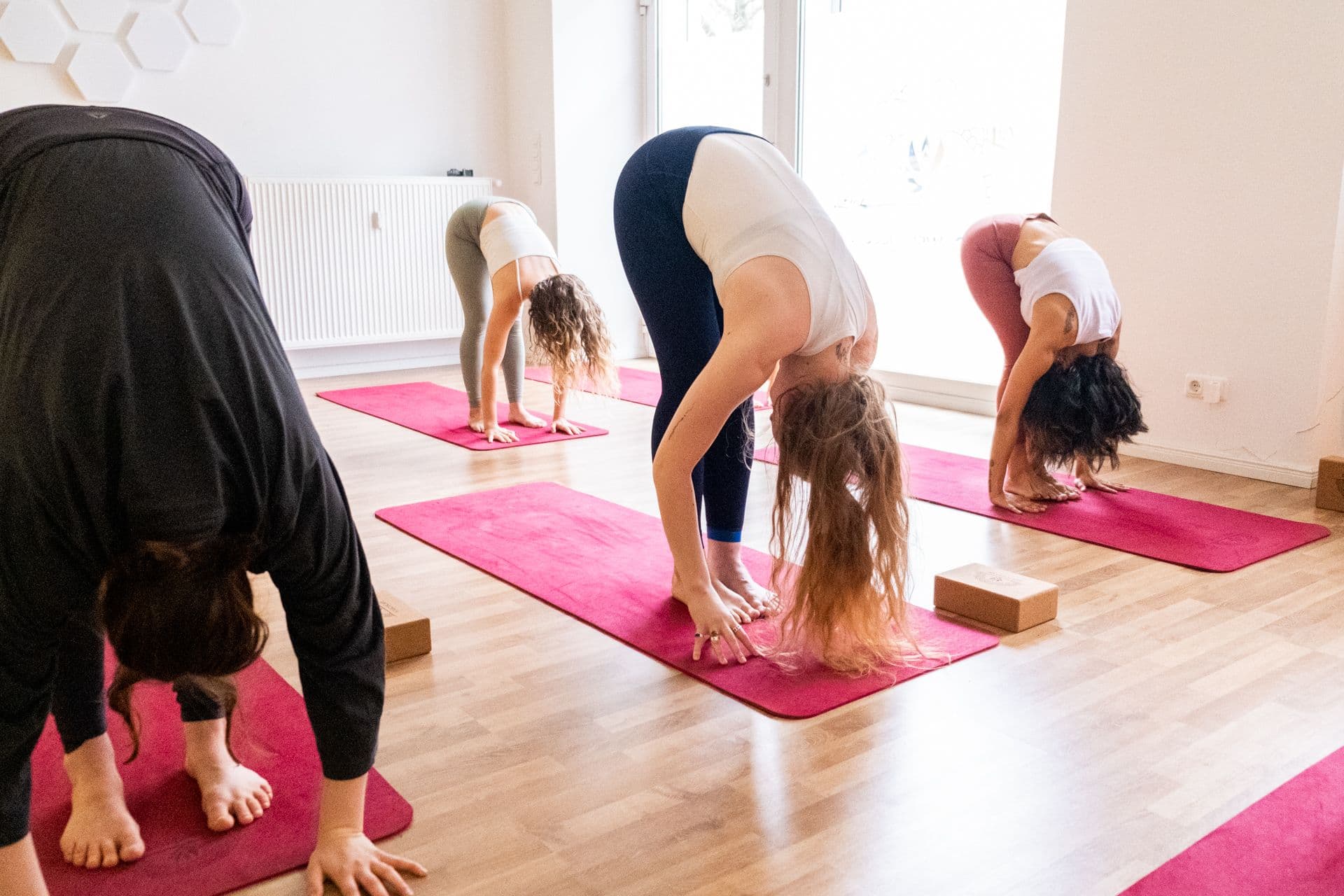
30 November 2025 · YogicEscape Berlin
How Often Should You Practice Yoga for Real Results
Learn how often you should practice yoga to see real changes in flexibility, strength, and overall well-being. Find the right rhythm for steady, sustainable progress.
Finding the ideal yoga routine is a question every seeker encounters at some point on the path. The ancient teachings remind us that consistency shapes transformation. What this really means is that your practice becomes the thread that slowly weaves strength, clarity, and steadiness into your life. When practiced with intention and regularity, yoga awakens the body’s intelligence, steadies the breath, and shapes the mind toward balance.
So let’s break it down: how often should you practice yoga for results, and what does “results” even mean? At Yogicescape, we see this as a blend of physical, mental, and energetic refinement—an unfolding that happens through a consistent yoga practice guided by awareness.
This guide gathers expert insights, practical scheduling advice, and ancient yogic wisdom to help you build a steady yoga habit that supports long-term progress, whether your aim is flexibility, strength, weight management, mindfulness, or overall well-being.
Understanding What “Results” Mean in Yoga
Before we talk frequency, it’s important to understand the layers of change yoga offers. A meaningful practice doesn’t just sculpt the body; it shapes your inner world.
Here’s what results typically look like:
Physical Results
- Greater strength and flexibility
- Improved posture
- Better mobility
- Stable core and joint health
- Enhanced breathing capacity
These changes align with what many students seek when exploring yoga for strength and flexibility.
Mental and Emotional Results
- Lower stress levels
- Greater clarity
- Steady focus
- Emotional resilience
- Relaxation and deep inner calm
These benefits mirror the teachings of ancient pranayama. To deepen this, explore related content such as The Benefits of Practicing Yoga for a Mindful Life, Impact of Pranayama, and 9 Yoga Poses for Relaxation That Can Provide Instant Relief from Stress.
Energetic and Spiritual Results
- Increased vitality
- Sharper intuition
- Inner steadiness
- Mindful living
This comes from devotion to regular practice—not perfection, but consistency.
So, How Often Should You Practice Yoga for Results?
There’s no rigid rule in classical yoga, but there are time-tested patterns that support real-world progress. Here’s a clear breakdown.
1. The Ideal Yoga Routine for Beginners
Beginners often ask, How many times a week should beginners do yoga?
The answer: two to three sessions per week is a strong starting point.
This frequency gives the body time to adjust, prevents overwhelm, and builds a foundation that encourages a yoga results timeline without strain.
Why this works
- Muscles and joints learn new movements slowly
- Breath control becomes more natural
- Students avoid burnout and soreness
- The practice remains joyful rather than forced
Pairing this routine with short daily breathing or gentle stretches enhances the experience and strengthens the base for long-term practice.
2. Intermediate Practitioners: Building Momentum
After a few months, practitioners often feel called to expand their weekly yoga routine. At this stage, three to five sessions per week bring noticeable transformation.
What changes here
- Greater stamina
- Refined alignment
- Stronger body-mind awareness
- Clear progress in flexibility
- Improved balance and posture
This is when you might begin exploring more specialised sessions at Yogicescape, whether you're joining Yoga classes in Friedrichshain, Yoga classes in Prenzlauer Berg, or online offerings.
3. Advanced Practitioners: A Daily Rhythm
Many long-standing practitioners wonder, Can I do yoga every day for better results?The ancient teachings say yes, and modern experience agrees—daily yoga benefits are profound when the practice is balanced.
The key is variation:
- Some days: stronger flows
- Other days: slow, restorative sessions
- Some days: pranayama or meditation only
Daily practice does not mean intensity every day. It means devotion every day.
4. Is Daily Yoga Better Than Three Times a Week?
Let’s keep this straightforward.
Three days a week build progress. Daily practice builds transformation.
Daily practice creates a deeper shift in:
- Breath rhythm
- Mental focus
- Energetic vitality
- Emotional stability
But the practice must remain sustainable. A good teacher refines your approach so that daily sessions support rather than exhaust you.
5. How Often Should I Do Yoga for Weight Loss?
If weight balance is your intention, a balanced combination of movement, breath control, focus, and lifestyle awareness works best.
For weight-related goals:
- Three to six sessions per week is ideal
- Mix strength-building flows with calming practices
- Include pranayama for metabolic support
At Yogicescape, we guide students toward weight balance through natural holistic methods instead of quick fixes.
6. How Often Should I Practice Yoga for Flexibility?
Flexibility responds beautifully to consistency.
For noticeable improvement:
- Practice four to five times weekly, with at least 20–30 minutes of focused stretching
- Slow, mindful holds yield the fastest results
- Breath-guided stretching unlocks deeper release
A softer approach often works better than forcing the body into positions.
7. How Long Does Yoga Take to Show Improvements?
Your yoga results timeline depends on consistency, intention, and how you structure your sessions.
- 2 weeks: better sleep, improved breath, lightness in body
- 4–6 weeks: increased strength and flexibility
- 8–12 weeks: noticeable physical changes, improved posture
- 3–6 months: deep mind-body shifts, emotional stability
- 1 year+: long-term transformation
Daily micro-practices accelerate these results.
Expert Tips to Build a Steady Yoga Habit
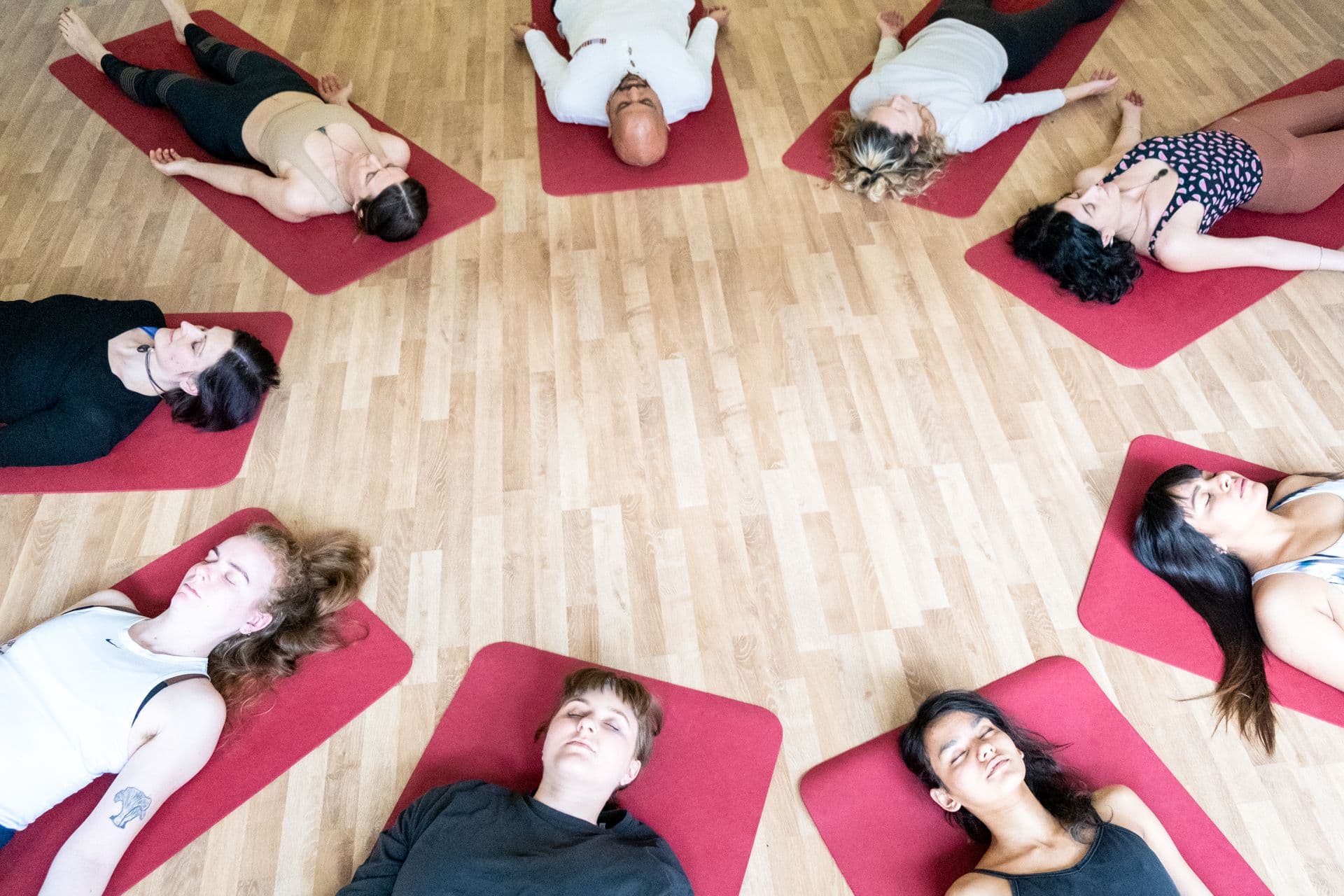
To help you deepen your journey, here are practical yoga consistency tips:
1. Set a Clear Intention
Not a vague desire—be specific. Strength? Flexibility? Calmness? Weight balance? Choose one guiding intention.
2. Follow a Structured Yoga Schedule Guide
Start simple:
- 3 main sessions per week
- 2 mini-sessions (10–15 minutes each)
- 1 breathwork day
- 1 rest or sound healing day
If you want inspiration, explore 6 Things Sound Healing Does to Your Mind & Body to complement your routine.
3. Choose the Right Class Level
If you're nearby, Yogicescape offers traditional Indian yoga sessions led by experienced teachers who help you stay aligned with your intention.
4. Track Your Progress
Record flexibility, strength, breath depth, and mental clarity. Awareness builds motivation.
5. Stay Gentle on Difficult Days
Even a 10-minute practice maintains momentum.
Comparison: Daily Practice vs. Weekly Routine
Here’s a clear and simple comparison to help you choose what suits your lifestyle.
Daily Practice
Benefits
- Strong discipline
- Better breath control
- Deeper progress
- Emotional balance
- Faster flexibility gains
Challenges
- Requires more planning
- Must vary intensity
Three-Times-Weekly Practice
Benefits
- Sustainable for beginners
- Prevents soreness
- Easy to maintain
Challenges
- Slower progress
- Breaks in momentum
The final choice depends on your body, lifestyle, and dedication.
Yoga Routine Recommendations for Different Goals
For Strength
- 3–5 power or vinyasa sessions/week
- Add core strengthening
- Include pranayama for breath expansion
For Flexibility
- 20-minute stretching daily
- 3 longer sessions/week
- Use breath to soften resistance
For Mindfulness
- Daily breathwork
- Restorative or slow flow 2–3 times/week
For Weight Balance
- 4–6 sessions/week
- Mix active and calming practices
This structure creates sustainable, regular yoga practice benefits without pushing the body too far.
Technical Notes on Practice Frequency
Here are some technical insights from yogic science and modern movement physiology:
- Muscles adapt to stretching through repeated tension-release cycles
- Nervous system regulation requires repetition for lasting change
- Breath control becomes instinctive only through daily practice
- Joint mobility improves through consistent lubrication and slow movement
- Meditation builds neural pathways with repetition
- Habit formation requires 21–66 days of consistent effort
Combining ancient knowledge with modern understanding helps practitioners make wise choices.
Conclusion: The Most Effective Yoga Frequency
Here’s the essence:
Practice two to three times weekly for progress. Practice four to six times weekly for faster transformation. Practice daily for lifelong change.
Results don’t come from intensity; they come from consistency. The ancient masters knew this, and experience confirms it.
Your practice becomes your mirror, your teacher, and your anchor. When you build a rhythm you can sustain, transformation becomes natural.
If you're in Berlin, join Yogicescape at Friedrichshain or Prenzlauer Berg to deepen your path under skilled guidance. If you practice at home, let this recommended yoga frequency guide you with clarity and confidence.
A steady practice doesn’t just change your body.
It changes your life.